More Time with Your Students. Less Time on Workarounds.
See how CORE can give your nursing program a dedicated partner for clinical education, competency tracking, and accreditation.
Student & Alumni Engagement
Clinical & Experiential Education
Competency Management
Career Readiness
Manage Clinical & Non-Clinical Experiential Education
Centralize, Track, & Scale Real-World Experiences
Engage Alumni
Help Universities Strengthen Alumni Ties
Strengthen Career Readiness
Prepare Students for What’s Next
Improve Enrollment Yield
Relationships Shape Decisions
Improve Program Effectiveness
Insights That Drive Better Outcomes
Increase Student Retention
Keep Students Engaged & Enrolled
Foster Mentorship
Turning Support Into Student and Alumni Success
Schedule a Consultation
Discover how we can help you drive lasting impact across your program and institution.
Speak with an ExpertClinical Programs
Non-Clinical Programs
Departments
Blog
Read our blog to learn from thought leaders and practitioners.
Webinars & Events
Connect with us in person and virtually.
Client Stories
Read real stories and see real impact from universities and programs.
On-Demand Webinars
Join our webinars to hear from campus leaders and industry experts.
Resource Library
Explore industry whitepapers, research, and other resources to advance your mission.
Schedule a Consultation
Discover how we can help you drive lasting impact across your program and institution.
Speak with an ExpertSee why Simmons University switched to CORE for Nursing to simplify clinical hour tracking, cut reporting time, and strengthen accreditation readiness.
Schedule a Demo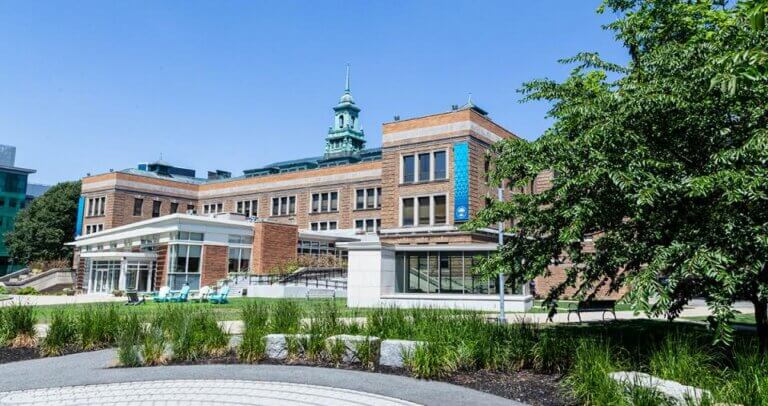
We used a different software and a different company, and I was involved with running reports a little bit from the family nurse practitioner side. And it was a really daunting task. There was no easy way. We have different kind of like population groups. We require students to meet within their clinical hours. And running those reports was very tedious. There was no quick way, so it took a lot of time. And then the students also took a lot of time. It took them, you know, they they would take hours putting in their logs and there was a lot of confusion on what was required and back and forth with the faculty. And so when we started the PMHNP program, we were using that same software and we realized how unflexible it was. And we really struggled with building in a way of tracking different expectations for students across different scopes of practice. And so we made it work, but it became even harder for us to use. It was very like heavy burden, hours a week of running reports and looking at numbers and tracking where students were at. And we pretty quickly realized that something was gonna have to give, especially as the programs were growing, that we needed something that we could kind of use and adapt and get support when we needed it. And that's kind of what led us to core. I don't know if Tina, do you wanna add anything there? Yeah, I'll just add that our pre licensure nursing program started using CORE several months before we had considered it, and they had great success with using the program. That initiated a meeting with the core team. Just after meeting with Kaylee and the team, we realized how many more capabilities that the program was able to offer and how much time as Laura had mentioned, how much time it would save students, preceptors, faculty, throughout the required tasks that are required in the clinical portion of the program. For example, signing off clinical time logs and evaluations were all a paper process, which required multiple steps for the student, for the faculty, for the preceptor, uploading into the LMS. And then that led to our clinical information being housed in two separate places, the LMS and then the clinical tracking system. So, just different areas where these documents and tracking things were housed. And so since making that transition to core, everything's much more accurate. It's more secure, and everything is just housed in core. So when we go to look for it, it's all there. As you know, as an FNP program, we need to track the specific population hours, specifically pediatrics, women's health, adult gerontology. So we worked with the core team to configure the case logs. So essentially we created three buckets within the case log. And so the student will enter the time spent with the patient in one of those buckets. So we worked with Core to design the specific fields within the case log. So it includes required information like the date of the visit, the patient's age, their sex, their gender identity, the type of setting, chief complaint, and the diagnoses. And then we're also tracking the total time spent in the clinic under the hours logs. So, we were able to configure that specifically to what we were looking for, time in, time out, the date, whether they took a lunch, And then there's a dropdown menu because all of the preceptors and clinical sites are already loaded into the student's record. They just basically use the dropdown to select their preceptor and clinical site. So it's very easy for the student. It takes, you know, as they get used to doing it time after time, they can enter it probably within, you know, their time log within thirty to sixty seconds. So that's that's really it's been really flexible to our needs and with the configurability. And we actually had quite a few students in our postgraduate program who came from the FNP program in years previous and were used to the older system that we had used. And they were thrilled with the transition because something that took them hours would take them less than a minute per patient to be able to log and track. And then my faculty on the PMHNP side really appreciate the program because I can individualize reports based on cohort or student and they click a button and they get to see all of those hours that are tracked nice and neat in front of them on the screen. There's no math, there's no wasted time doing all of these metrics. We do phone calls with our preceptors. And one of the things that we've had our faculty do is kind of explain that process when they check-in in the beginning of the semester. And we've gotten some good feedback from preceptors. Most of the time they're like, oh yeah, I saw that email, I already did it. It was really easy. We usually get positive feedback. I have not gotten a single complaint from a preceptor about the hours approval process. In regards to accreditation, I would say, you know, now we have everything housed in this one system, which is really nice for easy access when it comes time to pull that information. In the past, again, like I mentioned, all of our evaluations were housed in the LMS, and sometimes students would have trouble maybe uploading, and so maybe they emailed it to their faculty. And so now we know that that information is there when it comes down to accreditation and we're able to access it. I save the reports for my faculty, so I set it up on the back end and they run reports probably weekly on their students, but that's just clicking a button and seeing where their students are at. So for me, I do similar to Tina every few weeks, I go in and look at the program as a whole. So the reports are one of my favorite things to do to be able to go back and quickly because I was the one that was spending at least eight hours a week on numbers in another system. So now I'm able to do it in, you know, thirty seconds. And then it was also really easy for our students. This past semester was the first semester that we have graduated students who have completely used CORE as their tracking system, and getting them through to be able to apply was so easy. Click a button, get a report, include it with their application, and we did not get one kickback from both, like, either board exam, whatever wherever they had chosen to go to. So
When Simmons University's Family Nurse Practitioner (FNP) and Psychiatric Mental Health Nurse Practitioner (PMHNP) programs outgrew their previous clinical education platform, Directors of Clinical Education Laura Behm and Tina Delouchry set out to find a solution that could better support students, faculty, and clinical partners.
In this webinar highlight reel, they share what led them to make the switch to CORE for Nursing, how the transition unfolded, and the operational improvements they've seen since, including reducing reporting from up to eight hours each week to just around 30 seconds, giving faculty quick access to individual student and cohort reports, simplifying clinical documentation for students, and streamlining clinical hour approvals for preceptors.
For the complete story, watch the full on-demand webinar.
Ready to see what CORE for Nursing could do for your program? Schedule a demo today.
Explore more client stories.
Manage Clinical & Non-Clinical Experiential Learning
5 min read
Manage Clinical & Non-Clinical Experiential Learning
4 min read
Foster Mentorship
5 min read